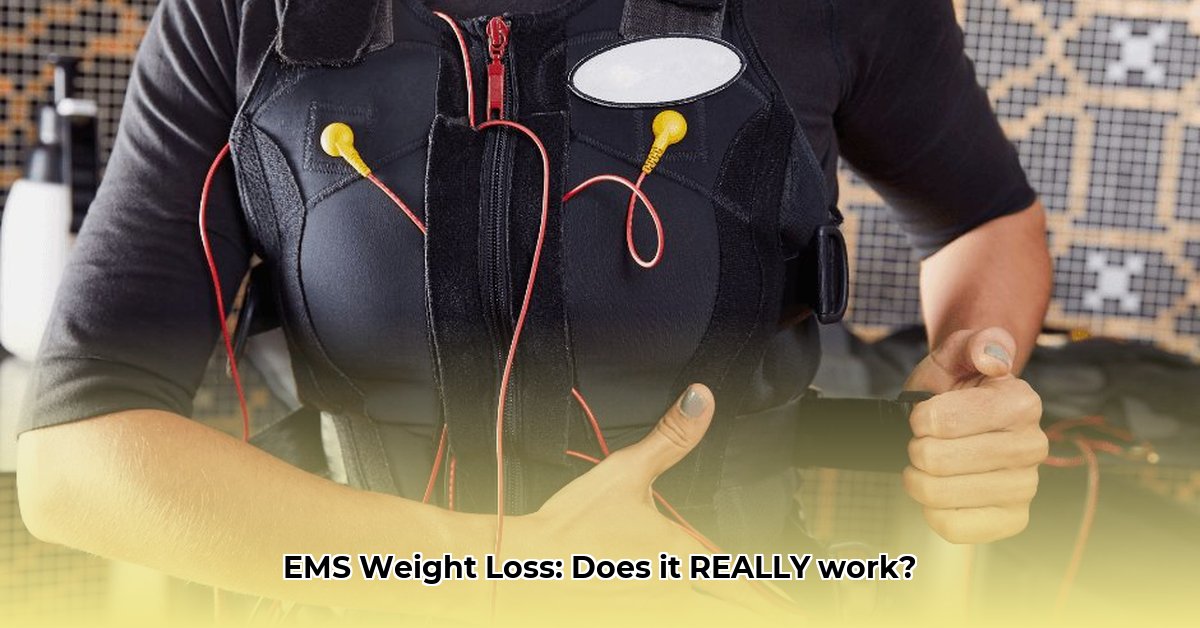
EMS (Electrical Muscle Stimulation), a workout method using electrical impulses to contract muscles, promises efficient weight loss. But does it deliver? This review examines the science, user experiences, and overall effectiveness of EMS for shedding those extra pounds.
Does EMS Really Help with Weight Loss?
The scientific literature presents a mixed bag. Some studies, particularly those involving women and exercise novices, show improvements in body composition and muscle strength. However, other studies find minimal impact, especially in already active individuals. This inconsistency stems from various factors:
- Varying Study Designs: Differences in EMS devices, training protocols, and outcome measures make direct comparisons difficult.
- Individual Variability: Genetic predispositions, fitness levels, and body composition influence responses to EMS.
- EMS Device Differences: The quality and power of EMS devices significantly impact results.
Therefore, EMS isn't a miracle cure. Its efficacy depends heavily on individual circumstances and adherence to a holistic approach.
The Pros and Cons of EMS Training
A balanced perspective requires considering both advantages and disadvantages:
Pros:
- Time Efficiency: EMS workouts are concise, catering to busy schedules.
- Muscle Strength Enhancement: Increased muscle mass boosts metabolism, aiding weight loss.
- Improved Muscle Tone: This contributes to a more sculpted physique, regardless of weight loss.
- Potential Fat Loss: Some studies suggest positive effects on body fat percentage, but results vary.
Cons:
- Variable Results: Effectiveness varies significantly among individuals.
- Potential Discomfort: Muscle contractions can feel intense for some.
- Cost: EMS training can be more expensive than traditional exercise.
- Limited Long-Term Data: More research is needed on long-term effects.
How Much Weight Can You Expect to Lose?
There's no magic number. Weight loss with EMS depends on starting weight, diet, other exercise, and consistency. Consider EMS a supplementary tool, not a replacement for healthy habits.
A Step-by-Step Guide to Effective EMS Training
To maximize EMS's benefits:
- Consult Professionals: Discuss your health and fitness goals with a doctor or certified personal trainer before starting.
- Gradual Progression: Begin with shorter sessions, gradually increasing intensity and duration.
- Combined Approach: Integrate EMS with a balanced diet and other forms of exercise for optimal results.
- Realistic Expectations: EMS supports weight loss but doesn't guarantee rapid results.
- Consistency is Key: Regular sessions and adherence to healthy habits are crucial for long-term success.
Who Might Benefit Most from EMS?
EMS may be particularly beneficial for:
- Individuals with limited time for exercise.
- Those seeking increased muscle strength and improved tone.
- People recovering from injuries (under professional supervision).
However, individuals with underlying health conditions, especially heart problems, should consult their physician before using EMS.
Long-Term Effectiveness: The Verdict
While EMS might accelerate initial weight loss by increasing calorie expenditure, its sustained effectiveness remains uncertain. More large-scale, long-term studies are needed to clarify its role in comprehensive weight loss strategies. Combining EMS with a holistic approach that includes diet and other forms of exercise is crucial for optimal and lasting results. The question "How effective is EMS training for weight loss long term?" remains partially unanswered, demanding further research.
Making Informed Decisions: Key Takeaways
- Trial periods allow for personalized assessment of effectiveness.
- A well-rounded fitness plan, including other forms of exercise, maximizes results.
- Diet plays a critical role in achieving weight loss goals.
- Consistency is key to long-term success with EMS training.